









Start with bestsellers

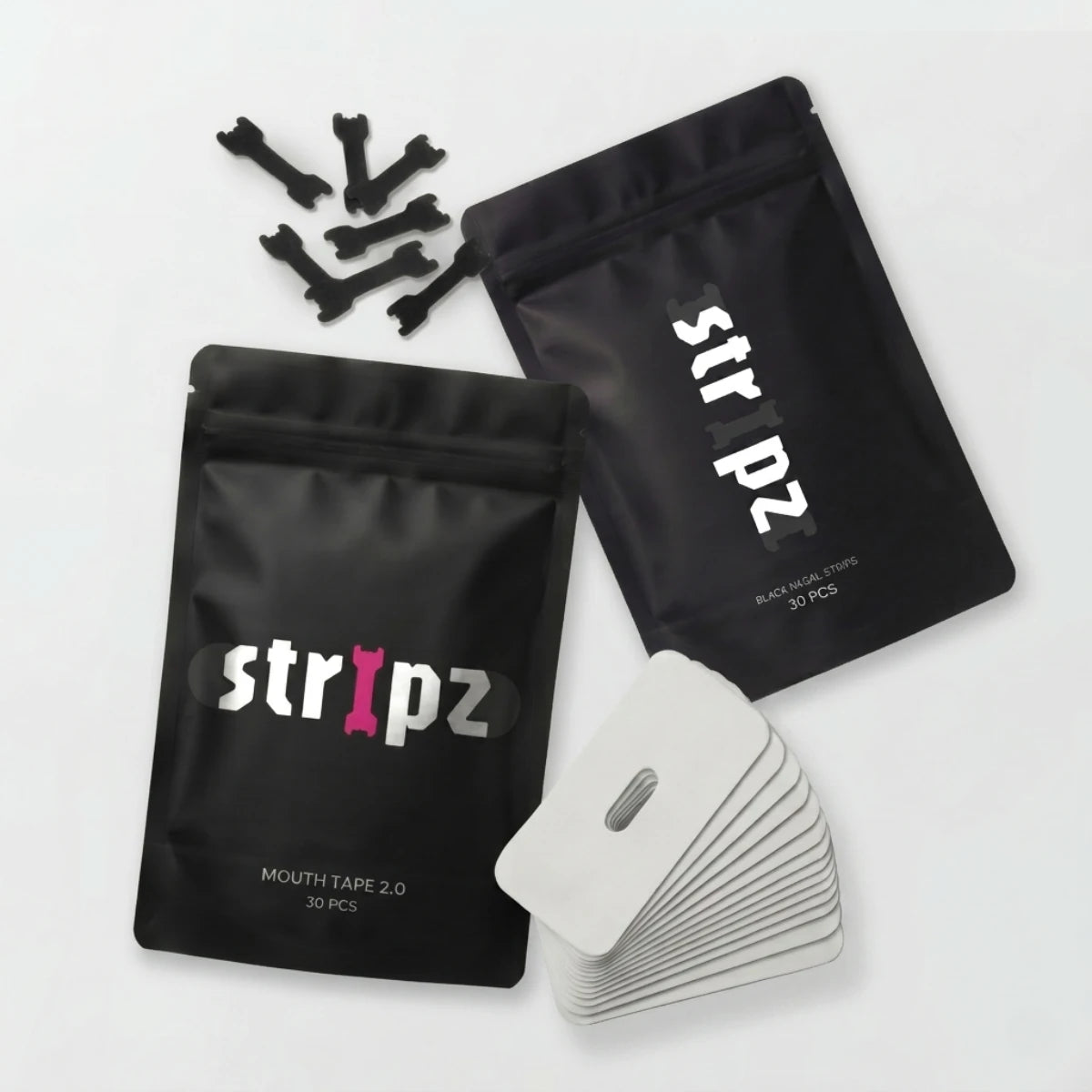
STRIPZ Nasal Strips

Stripz Mouth Tape 2.0

Stripz Recovery Bundle
By category


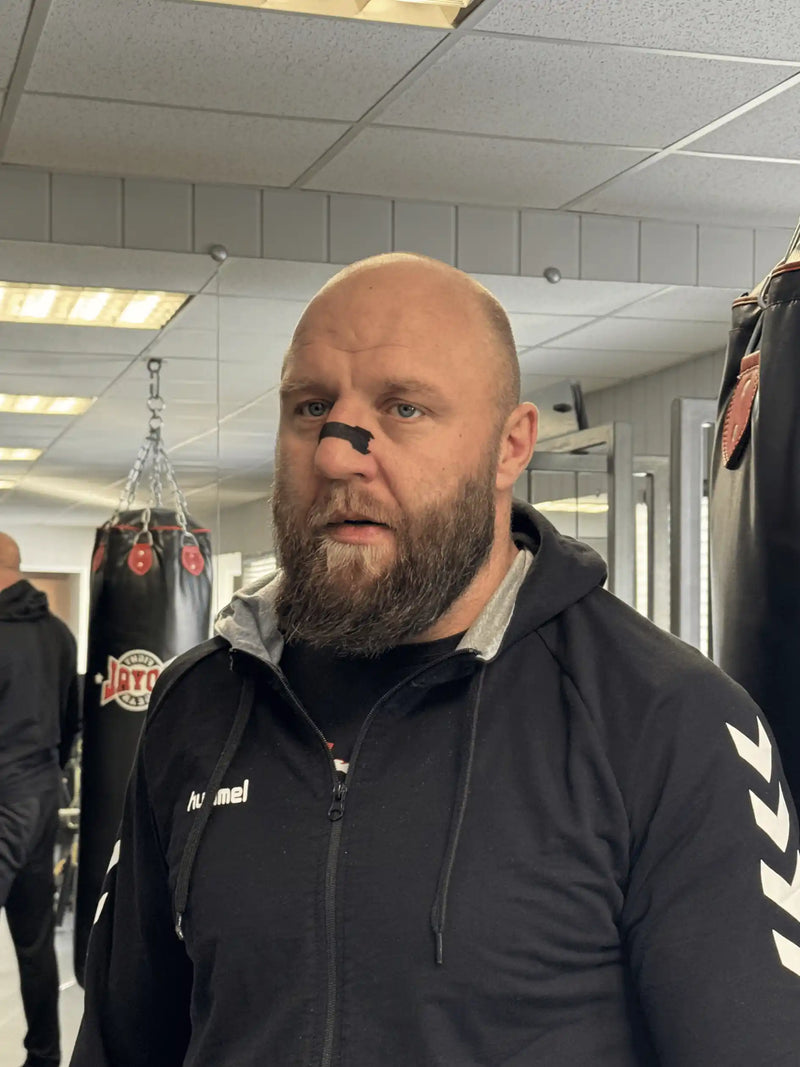
Tomas Pakutinskas
★★★★★
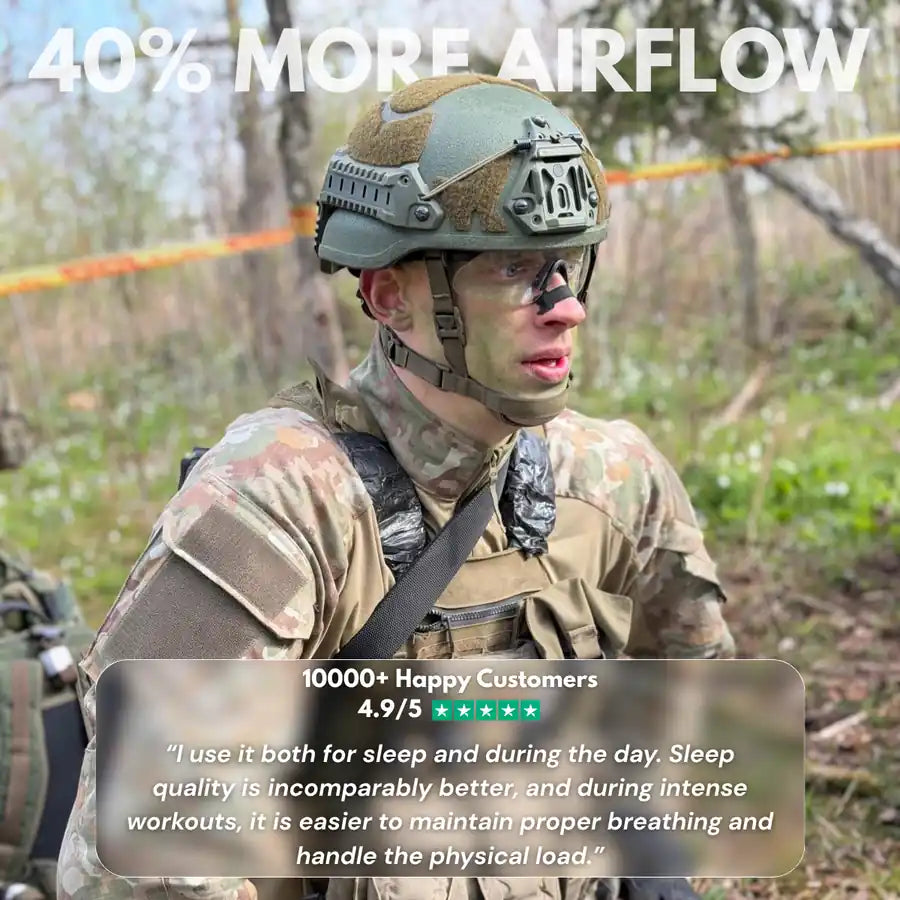
Helps during workouts and sleep. Nasal strips make breathing through the nose easier after my nasal septum injuries.
Bushido World Heavyweight Champion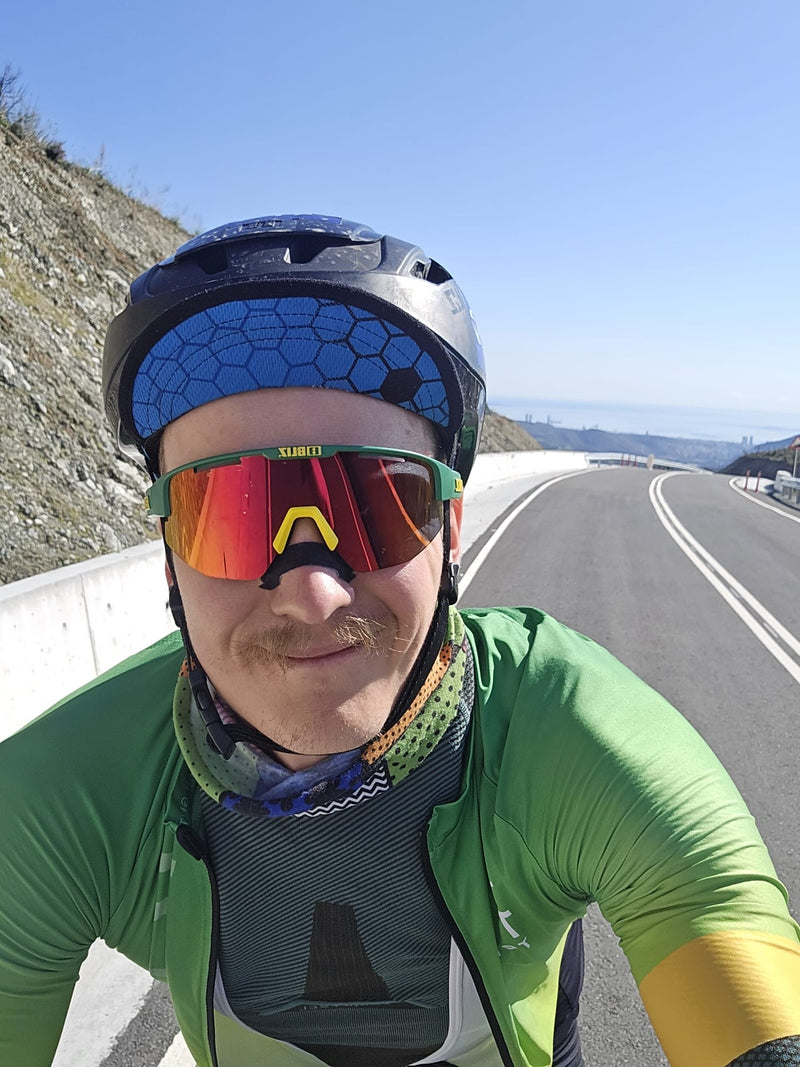
Igor Kozlovskij
★★★★★
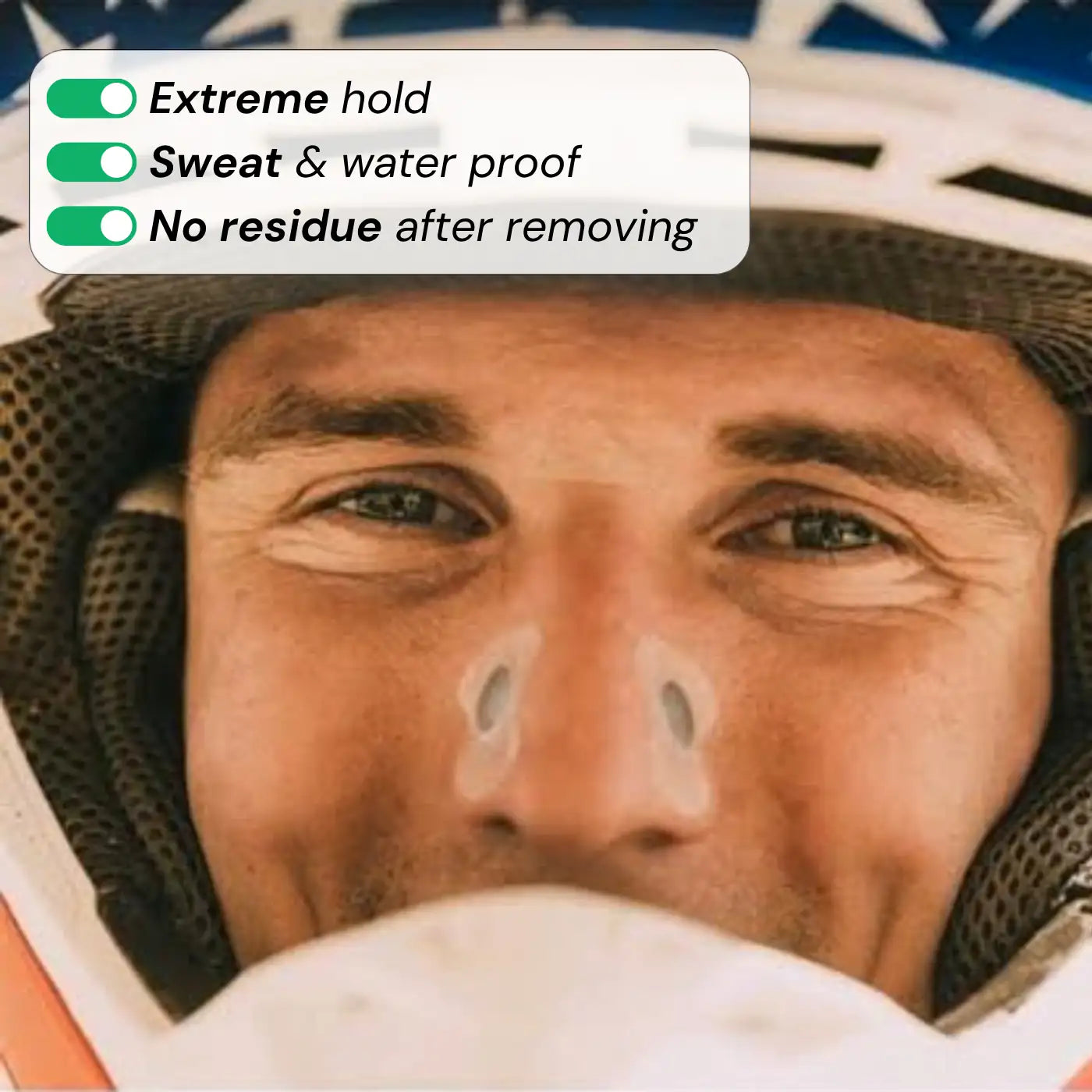
I use Stripz for running and I clearly feel that I don't run out of breathe, breathing through my nose.
Professional Athlete and Coach
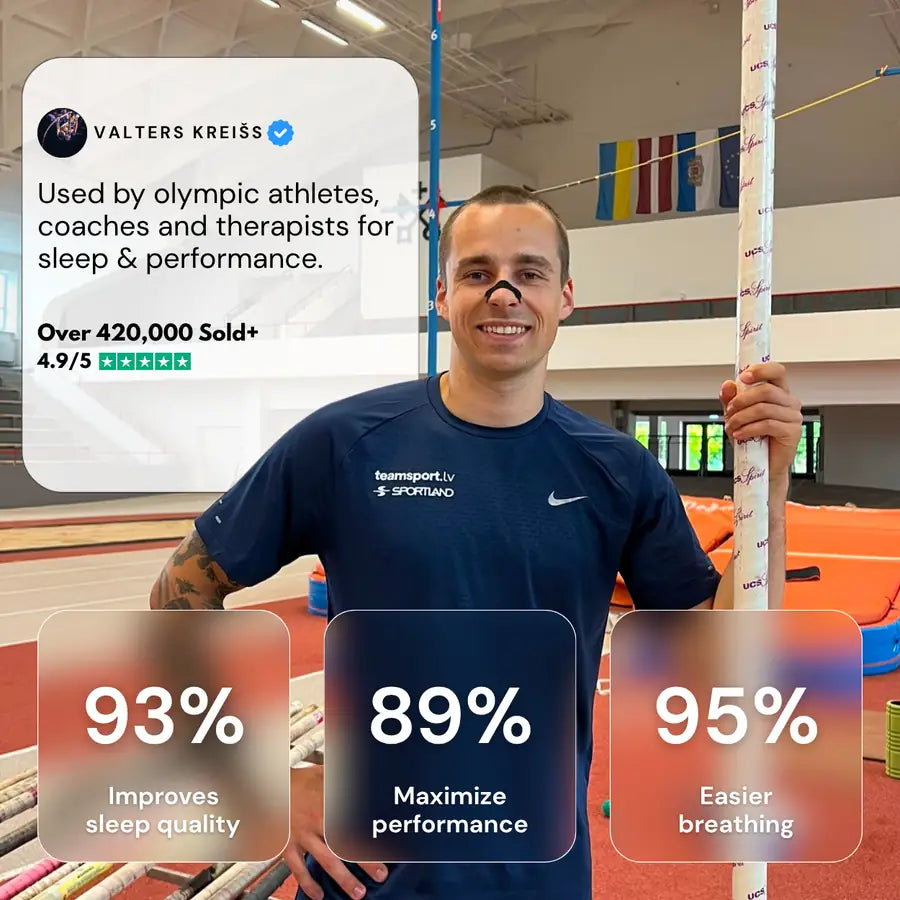
Valters Kreišs
★★★★★
Latvian high jump champion and national record holder. Strips for training.
Olympic MedallistAre you aware of the harm caused by mouth breathing?
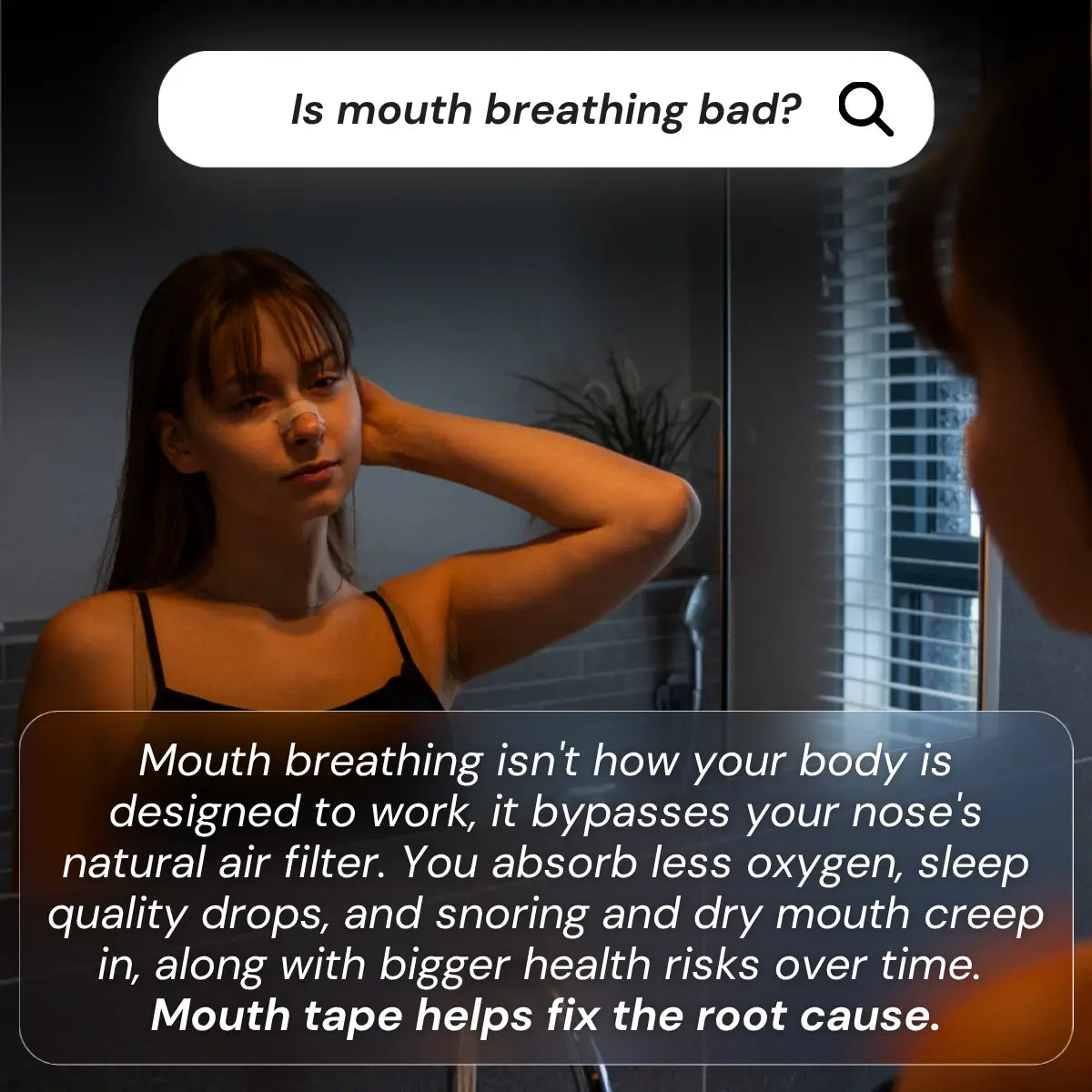
Your body is designed to breathe through your nose. Breathing through the mouth is only for emergencies.
Snoring

WHY IT HAPPENS
When sleeping with an open mouth, the upper airways narrow and are more prone to collapse. Airway resistance increases, which directly leads to snoring and fragmented deep sleep. Instead of smooth breathing through the nose, air rushes through the relaxed throat, causing vibration, noise, and repeated micro-awakenings. Night after night, the body never fully achieves stable, restorative sleep: oxygen levels fluctuate, stress hormones rise, and the nervous system remains semi-alert.
SOURCES
- James Nestor – "Breath: The New Science of a Lost Art" — mouth breathing led to snoring up to 80 decibels, while nasal breathing reduced the sound to almost silence.
- Clinical sleep studies (upper airway resistance) — mouth breathing increases upper airway resistance and significantly increases snoring and apnea episodes compared to nasal breathing.
Bacteria and odor

WHY THIS HAPPENS
Breathing through your mouth dries out saliva, the body's natural antibacterial defense. With less moisture, harmful bacteria multiply faster, leading to bad breath, plaque buildup, and gum irritation. A dry environment weakens enamel and, over time, makes teeth more sensitive. Night after night, the mouth becomes a favorable breeding ground for bacteria—simply because the air bypasses the nose. The worst part is that this often goes unnoticed until symptoms appear.
SOURCES
- American Dental Association – Saliva and Oral Health — reduced saliva increases bacterial growth, plaque formation, and the risk of gum disease.
- Journal of Periodontology – Mouth Breathing and Inflammation — chronic mouth breathing is associated with gingivitis, dry mouth, and increased plaque accumulation.
- International Journal of Pediatric Otorhinolaryngology — mouth breathing significantly alters oral pH, increases bacterial load, and contributes to halitosis (bad breath).
Risk of sleep apnea

WHY THIS HAPPENS
When nasal breathing is obstructed at night, the upper airways become unstable and more prone to collapse. Repeated collapses reduce oxygen levels and trigger the "fight or flight" response -sometimes dozens of times per hour. Each interruption raises heart rate and blood pressure, straining the cardiovascular system precisely when it should be recovering. Over time, nocturnal oxygen deprivation is linked to more serious health risks. The worst part is that many people don't even know they have apnea because it happens during sleep.
SOURCES
- Stanford Medicine – Sleep Apnea and Hypertension - apnea causes intermittent hypoxia, activates the sympathetic nervous system, and raises blood pressure.
- American Heart Association – Obstructive Sleep Apnea — OSA is strongly associated with cardiovascular disease, stroke, and arrhythmias.
- Journal of Clinical Sleep Medicine - recurrent airway collapse at night leads to chronic oxygen deprivation and cardiovascular strain.
High blood pressure

WHY THIS HAPPENS
When nasal airways are blocked, the body switches to mouth breathing—especially at night. This limits oxygen intake and disrupts the natural breathing rhythm. Each time the airway partially closes, a stress response is triggered: cortisol and adrenaline are released, raising blood pressure to keep you "alert" even while resting. This minor stress accumulates. Over time, the cardiovascular system adapts to an elevated baseline, and what should be deep rest turns into a nightly stress test. You won't feel it immediately—that's why it's called the "silent climber."
SOURCES
-
Stanford Medicine – Sleep Apnea and Hypertension — Apnea causes intermittent hypoxia, activating the sympathetic nervous system and increasing blood pressure.
(med.stanford.edu/news/all-news/2018/07/study-explains-how-sleep-apnea-raises-blood-pressure.html)
STRIPZ bestsellers
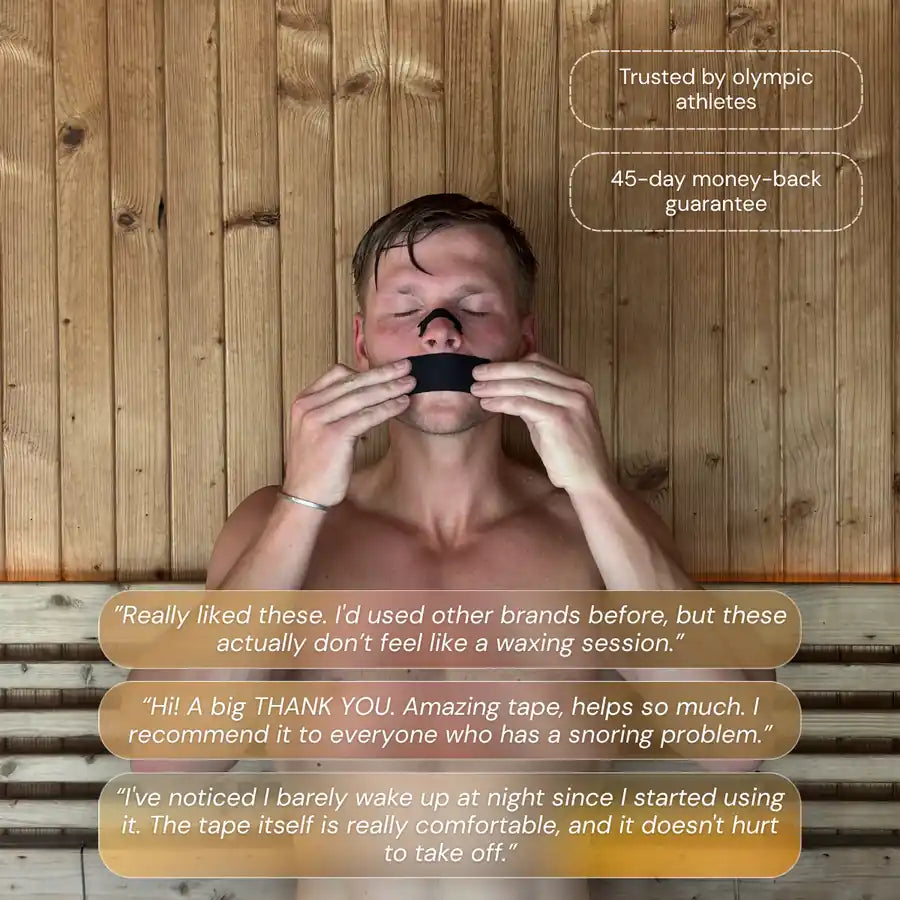
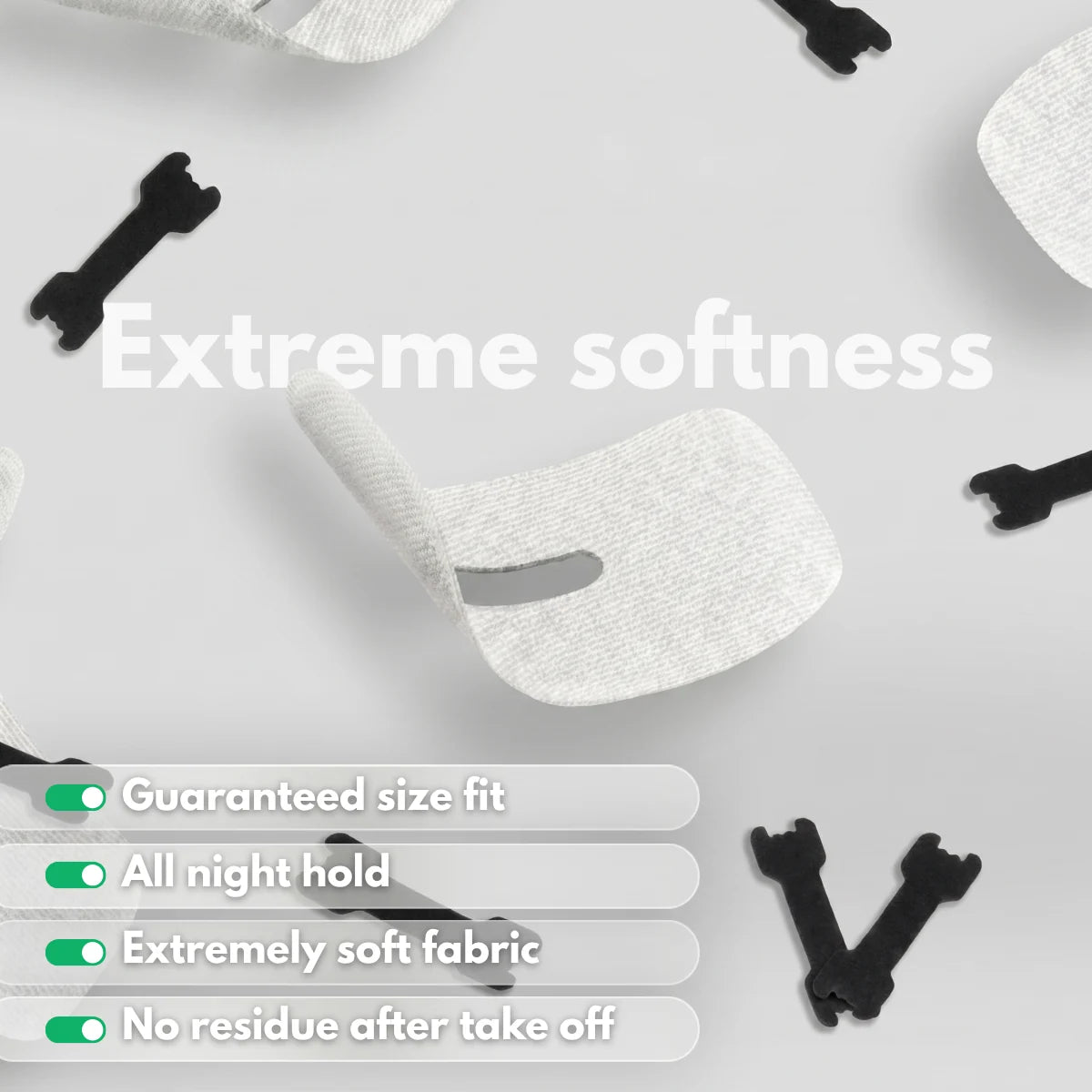
Research-based product. Refined design.

89%
Experience less wake ups, deeper sleep & more energy within the first few nights
95%
Notice instantly increased airflow and relieved nasal breathing
81%
Less or completely stop snoring during sleep
87%
Would recommend Stripz to friends
45-Day Money-Back Guarantee
We offer a 45-day return and exchange guarantee on all products
Express shipping
Ships from EU
Customer Service
Mon–Fri 9:00 AM–6:00 PM, avg. response time 12 hours
Secure payments
Visa, Mastercard, Apple Pay, Google Pay, PayPal.
What are nasal strips?
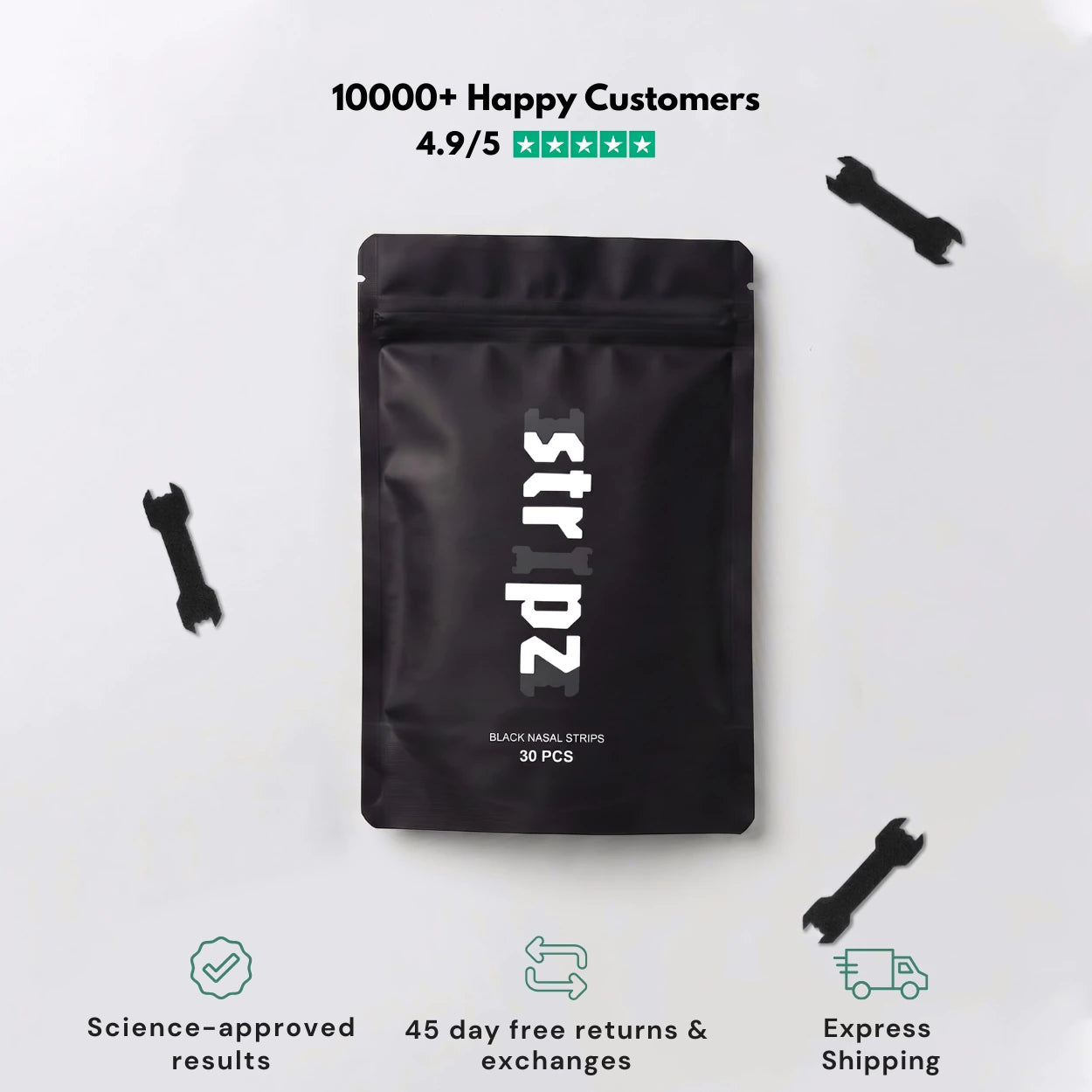
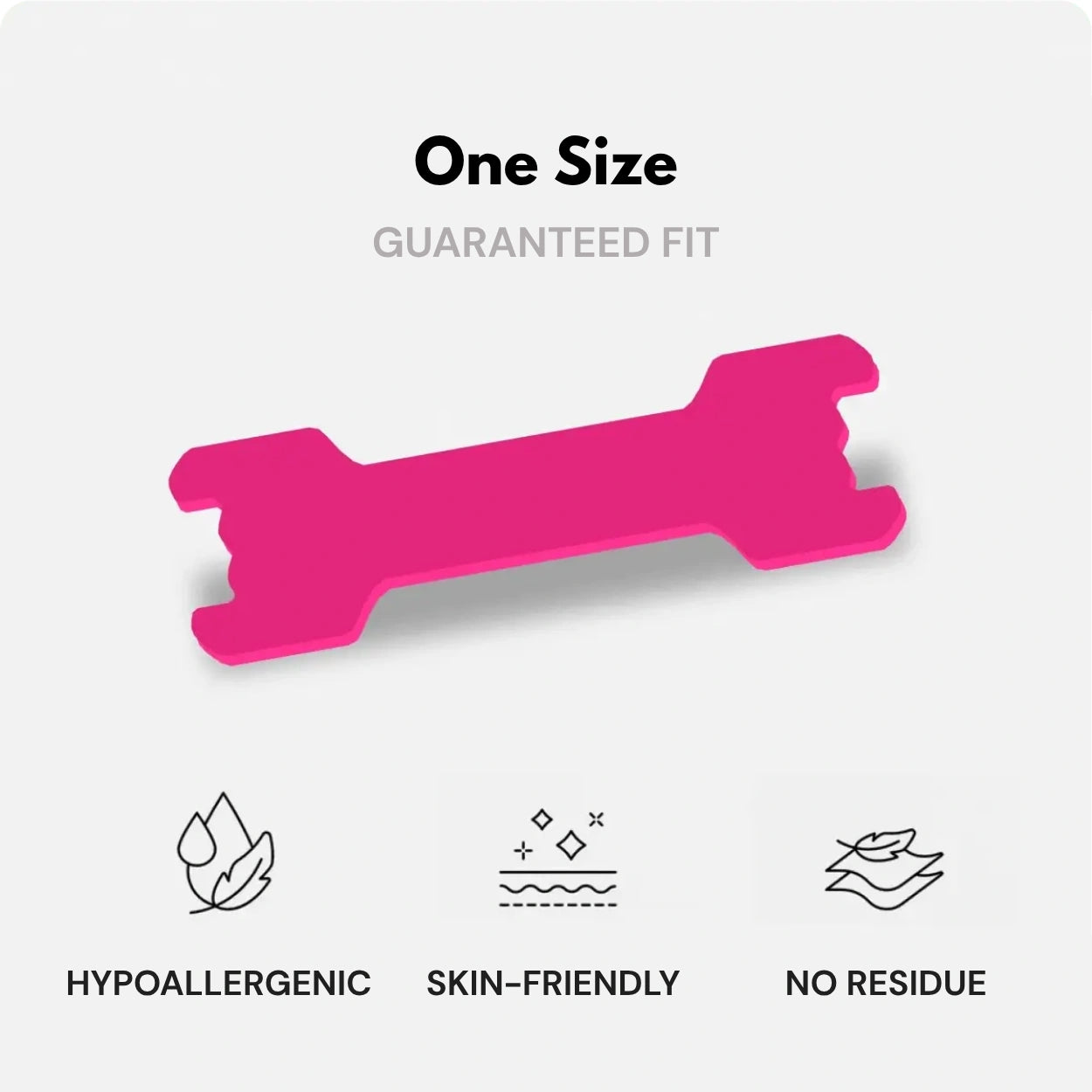
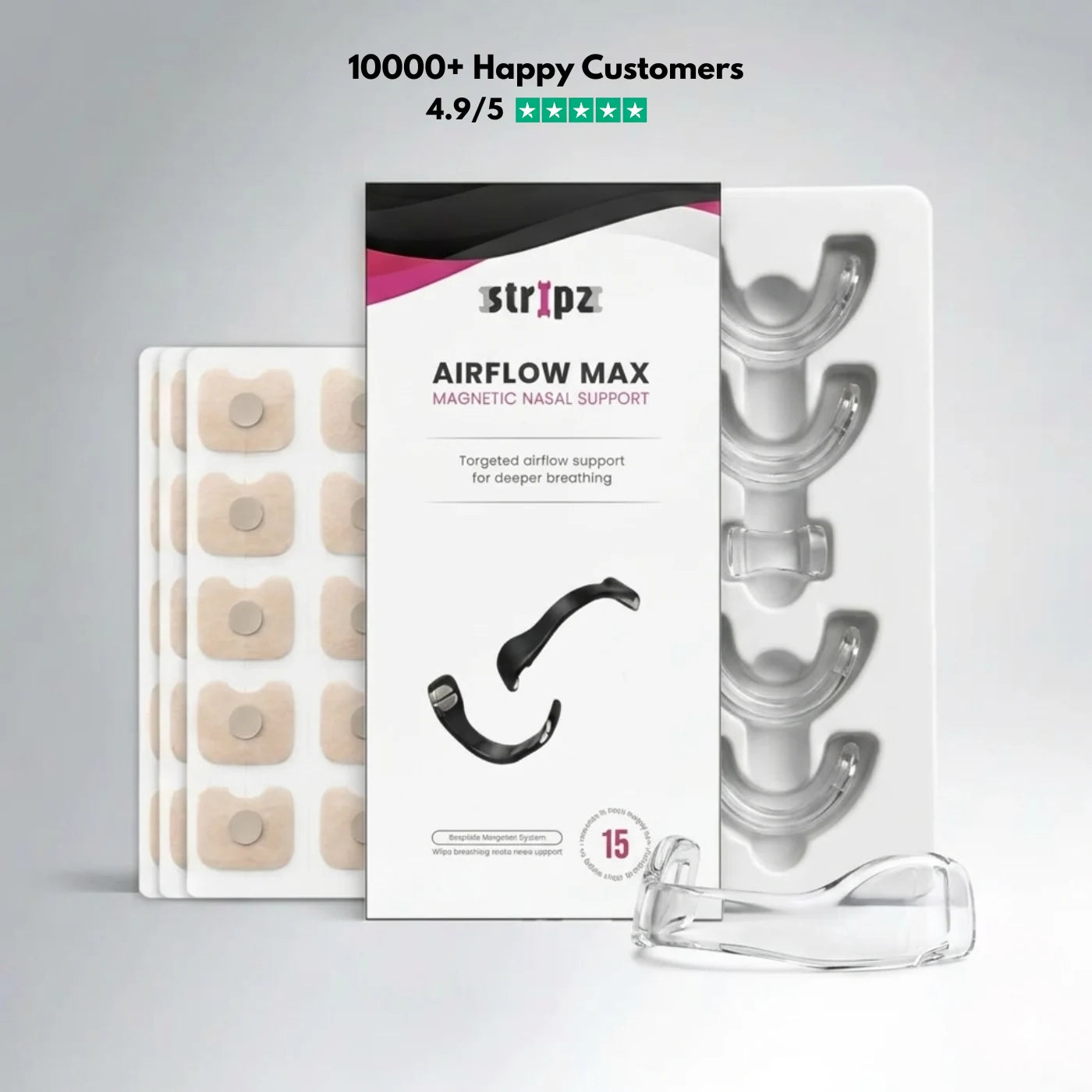
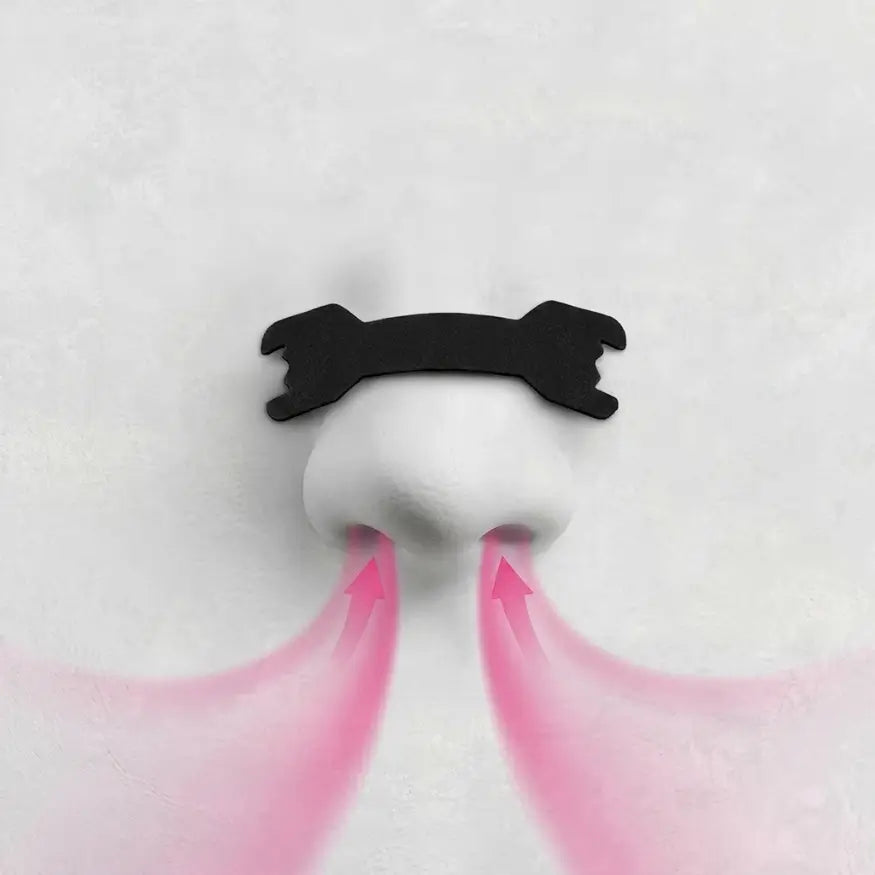
These are thin adhesive strips that are applied to the nostrils. Inside, there is a spring that gently expands the nostrils and opens the airways.
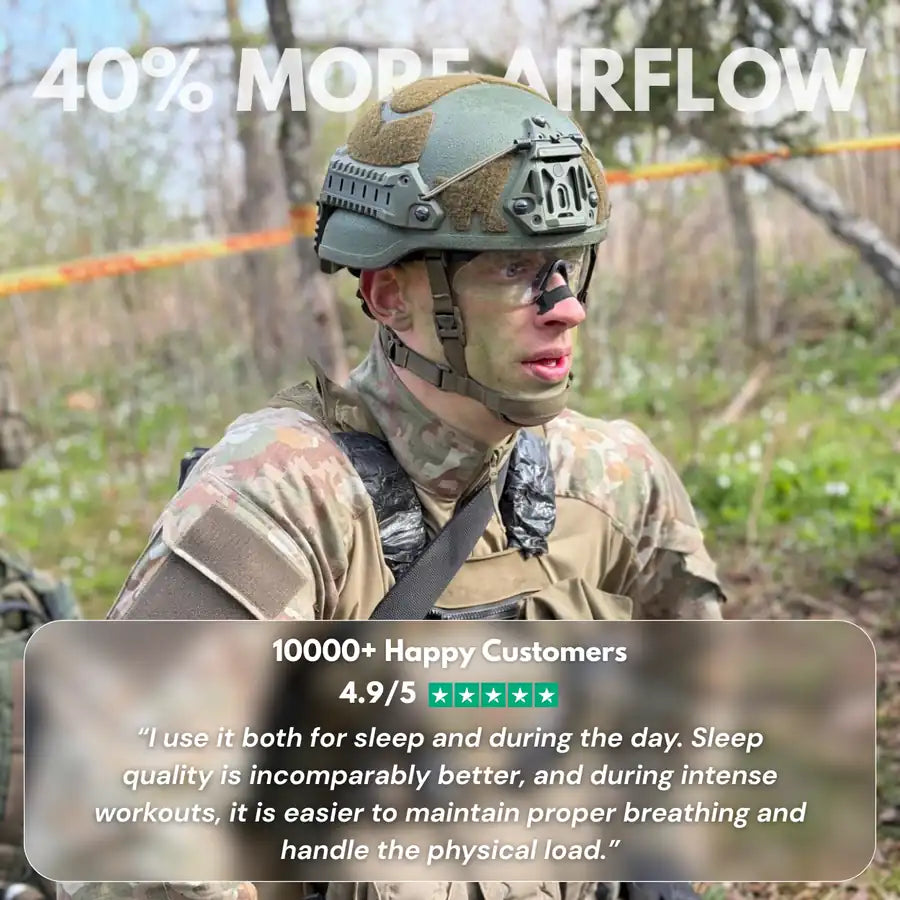
Therefore, breathing through the nose becomes instantly easier, and the body absorbs up to 40% more oxygen.
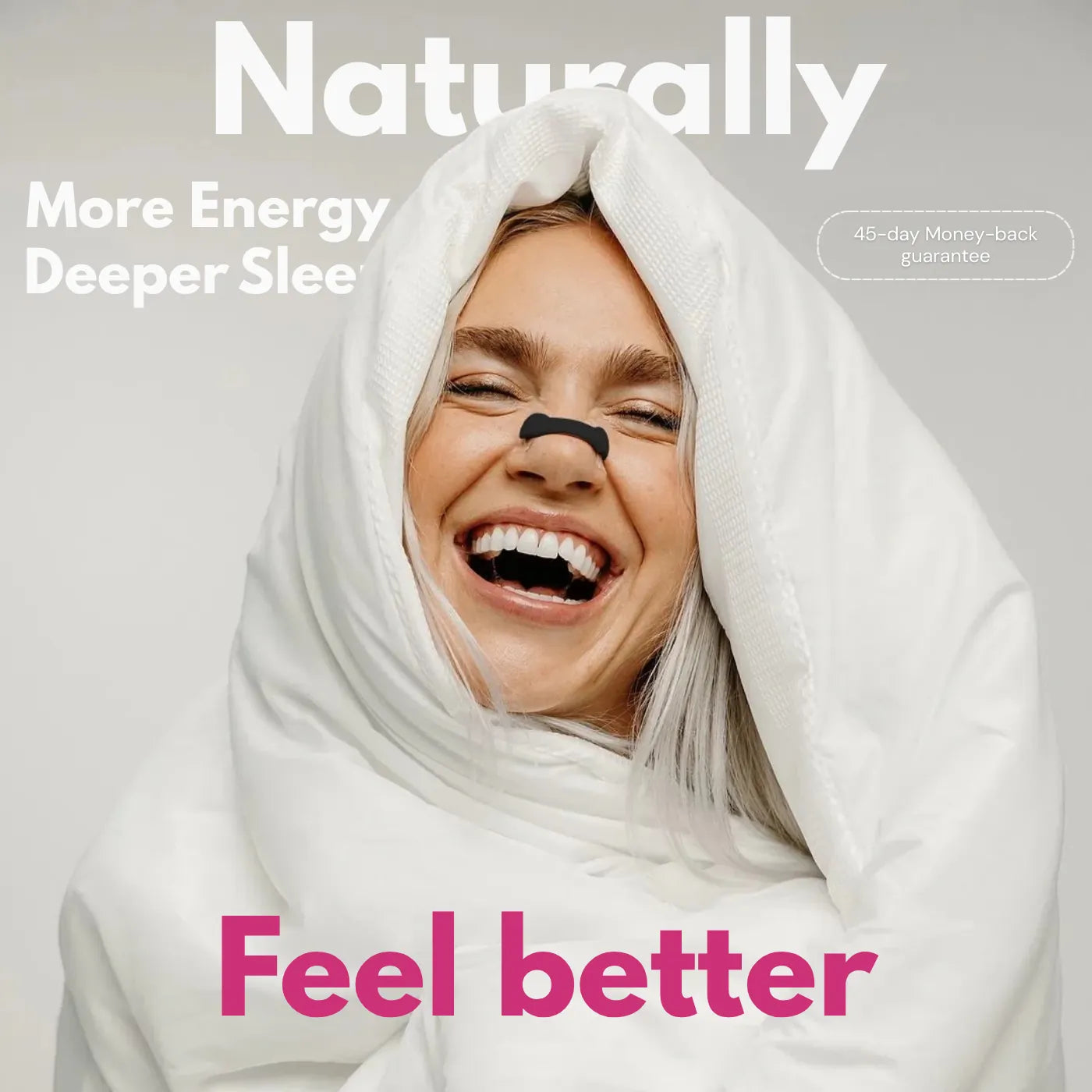
Increased oxygen levels improve sleep quality, enhance endurance during workouts, and naturally boost energy levels.
Have questions about STRIPZ?
EMAIL SUPPORT AVAILABLE ON WEEKDAYS.
Average response time: within a few hours
How long will it take to receive my order?
All orders are dispatched from our European warehouse within 1 business day and ships within 3-7 business days worldwide.
Parcel tracking information will be sent directly to your email address. You can choose your delivery method at checkout.
How to use a breathing strip?
- Clean your nose: Thoroughly wash and dry your nose for the strip to adhere well.
- Apply the strip: Apply the strip to the bridge of your nose, just above the nostrils.
- Press gently: Press gently along the strip to ensure it adheres smoothly.
- Start enjoying: better breathing!
What payment methods do you accept?
Visa, Mastercard, Apple Pay, Google Pay, PayPal.